January 2016 InFORMal Monitoring Update


Interview with Ian Jessop on CFAX 1070 AM Radio in Victoria about newly published offshore monitoring data from InFORM and our partner project Our Radioactive Ocean. Interview begins at the 33:50 mark of the Soundcloud file below.
By Jay T. Cullen
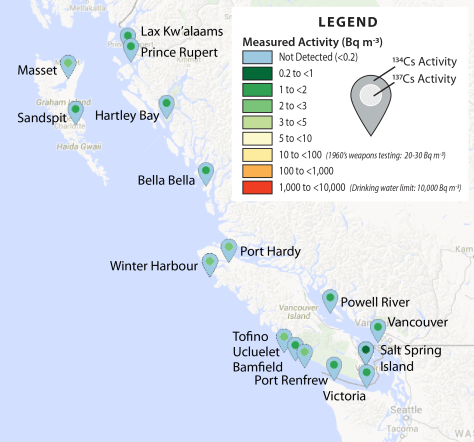
Previously unpublished data results from research expeditions in 2014 and 2015 are summarized here. Overall the data indicate that:
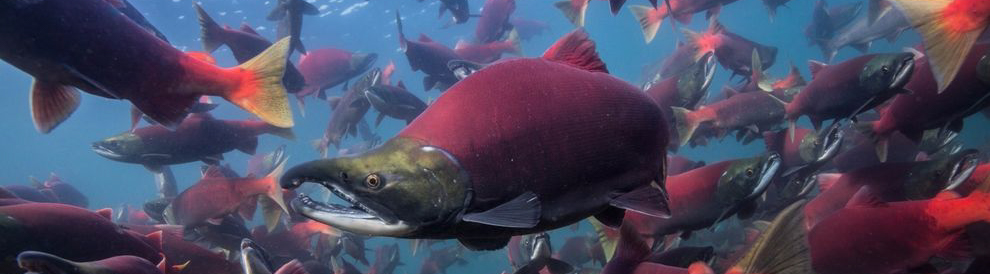
 The Seattle Times is reporting no contamination in any of the 24 Alaskan salmon, halibut, pollock, cod, or sablefish that were sampled from 4 different regions in 2015 for the Alaskan Department of Environmental Conservation.
Read the full article.
See the results from the Department of Environmental Conservation.
Presently, InFORM members at Health Canada are running the ~160 salmon samples from over 15 different major BC fisheries collected in 2015 and we will report the results as soon as they become available.
 Home
Home 