All posts by fukushimainform

Citizen Scientists Collect Sample in Tofino, BC With Raincoast Education Society

Nov. 25, 2014

Tofino BC

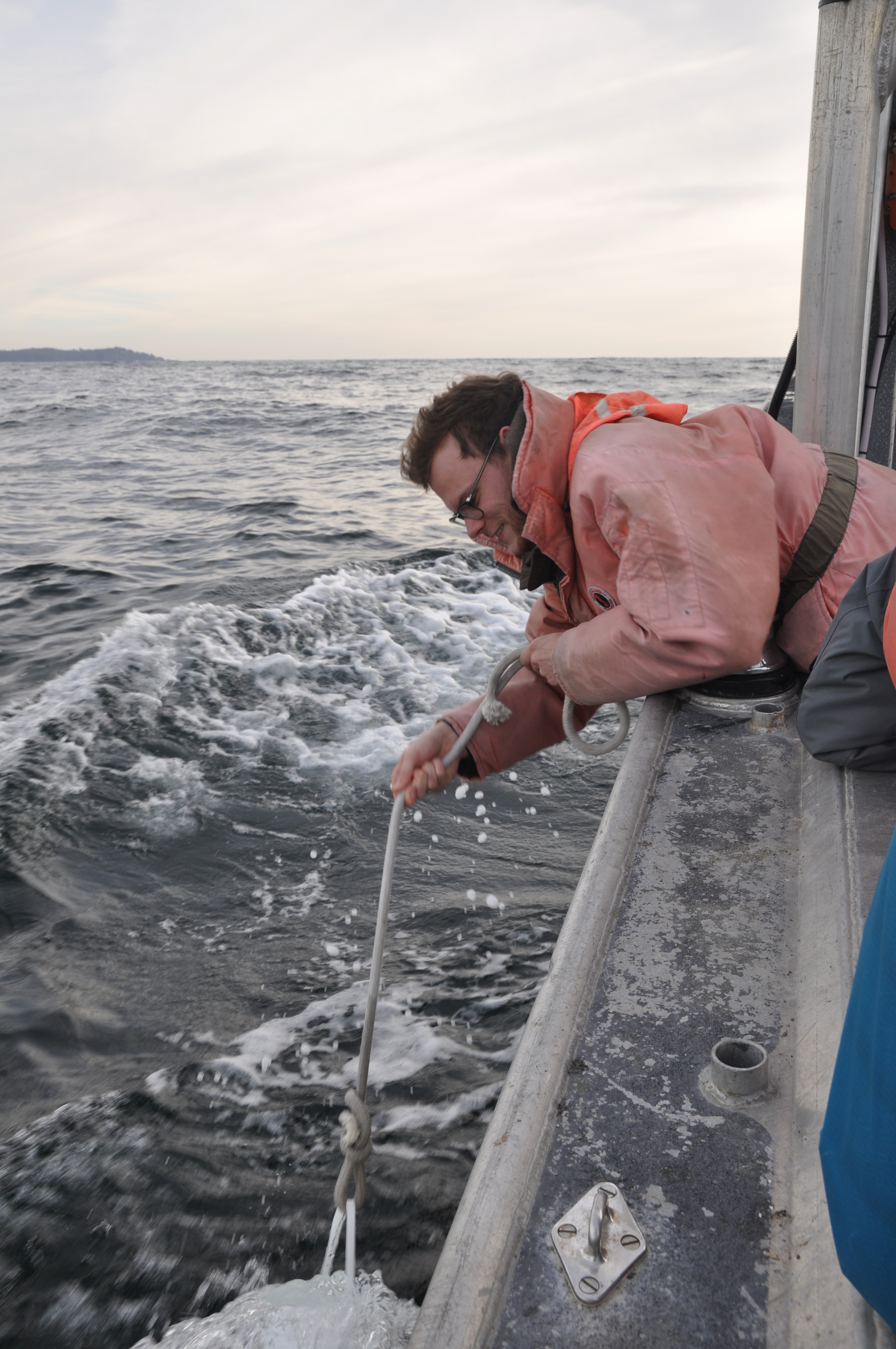
Raincoast Education Society is an important Non-Governmental Organization partner with the InFORM project.  Dan Harrison of RES and Peter Shultze are pictured here collecting the first sample of Tofino’s seawater which will be returned to our laboratories for analysis.  Thanks to Dan and Peter for heading out in typical west Vancouver Island fall conditions to get the job done.
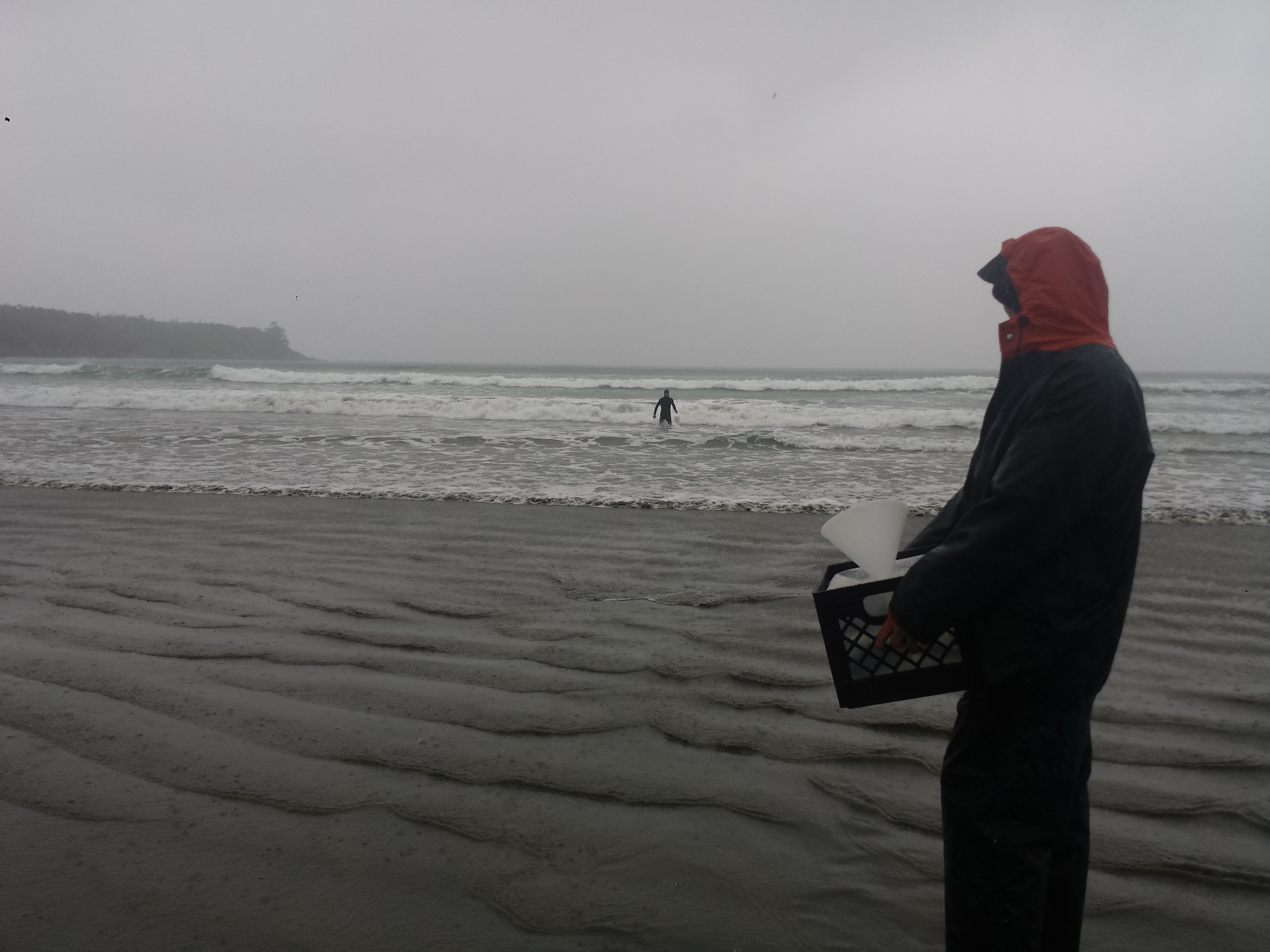
InFORM Sample 1 - Nov 21, 2014 Continue reading Citizen Scientists Collect Sample in Tofino, BC With Raincoast Education Society

Plutonium Inventories at Fukushima Dai-ichi Nuclear Power Plant and Mixed Oxide (MOX) Fuel at Unit 3

By Jay T. Cullen

The purpose of this post is to provide estimates of the plutonium (Pu) isotopes present at the Fukushima Dai-ichi nuclear power plant (NPP) at the beginning of the disaster in March 2011. The post is part of an ongoing effort to communicate facts about Fukushima obtained through scientific study of the impact of the meltdowns on the environment. Comments on this site and in other public forums highlight the fact that Unit 3 at the NPP was burning mixed oxide (MOX) fuel at the time of the accident which, because it is enriched in Pu, suggests that these releases are potentially more harmful. Here I report estimates of Pu present in the reactors (Units 1, 2 and 3) and spent fuel pools (Units 1-4) at the site based on burnup calculations. Because fission of low enriched uranium (LEU) fuel produces Pu isotopes during operation there was a significant amount of Pu on site in Units 1-4. During extended operation a MOX fuel burning reactor can produce multiple times the Pu of LEU but this was not so at the time of the Fukushima meltdowns. The amount of additional Pu present due to Unit 3’s MOX fuel is small compared to the other reactor cores and the inventory of the spent fuel pools. The differences between environmental impact of MOX versus LEU reactor core meltdown in this case are small. Estimates of the release of Pu isotopes from Fukushima, based on measurements of air, soil and water suggest 100,000 fold less was broadcast to the environment compared to Chernobyl and 5,000,000 fold lower than releases from nuclear weapons testing in the 20th century. Continue reading Plutonium Inventories at Fukushima Dai-ichi Nuclear Power Plant and Mixed Oxide (MOX) Fuel at Unit 3

Comparing the Environmental Impacts of the Chernobyl and Fukushima Disasters

Estimated total atmospheric source term for Fukushima compared to Chernobyl in PBq (PBq = 10^15 Bq). From Steinhauser et al. (2014) SciToTEnviron

By Jay T. Cullen

This post reports on a recently published peer reviewed study by Steinhauser and colleagues in the journal Science of the Total Environment (behind pay wall) comparing the Chernobyl and Fukushima nuclear accidents. The post is part of an ongoing effort to communicate the results of scientific studies into the impact of the Fukushima disaster on the environment. A majority of the radioactivity released from both Chernobyl and Fukushima can be attributed to volatile radionuclides (noble gases, iodine, cesium, tellurium). In contrast, the amounts of more refractory elements (including actinides like plutonium), released by Chernobyl was ~four orders of magnitude (10,000 fold) higher than releases from Fukushima. The most cited source term for Chernobyl is 5300 PBq (excluding noble gases) while a review of published studies of Fukushima carried out by the authors above allow an estimate for the total atmospheric source term of 520 (a range of 340–800) PBq. Monitoring of air, soil and water for radionuclides after the respective accidents indicate that the environmental impact of Chernobyl is likely to be much greater than the Fukushima accident. The post is relatively information dense as I have provided data tables for those who are interested in the estimates and the peer-reviewed studies from which they come. Apologies up front to those who find such information tedious. Continue reading Comparing the Environmental Impacts of the Chernobyl and Fukushima Disasters

What Controls Levels of Fukushima Radioisotopes in Marine Organisms?

By Jay T. Cullen

This post is part of an ongoing effort to communicate the risks to people living on the west coast of North America resulting from the ongoing release of radionuclides from the Fukushima-Daiichi nuclear power plant after the Tohoku earthquake and subsequent triple reactor meltdowns in March 2011. The purpose of this post is to explain how the concentration of radionuclides in seawater impacts the amount of radioactive elements taken up by the marine biota.

The goal is to answer questions like:

How high can we expect radioactive element concentrations to get in marine organisms?

What might be the exposure of marine organisms and human consumers of these organisms to Fukushima sourced radionuclides?


Continue reading What Controls Levels of Fukushima Radioisotopes in Marine Organisms?